Evaluating Your Commercial Security Needs: A Guide

In today's world, ensuring the safety of your commercial property is more crucial than ever. With rising crime rates and increasing threats to businesses, understanding your security needs is not just a luxury; it's a necessity. This guide will help you evaluate your commercial security requirements, ensuring that you have the right measures in place to protect your assets, employees, and customers.

Understanding the Importance of Commercial Security
Commercial security encompasses a wide range of measures designed to protect businesses from theft, vandalism, and other threats. The importance of having a robust security system cannot be overstated. Here are some key reasons why investing in commercial security is essential:
Protection of Assets: Businesses invest significant resources in inventory, equipment, and technology. A security breach can lead to substantial financial losses.
Employee Safety: A secure environment fosters a sense of safety among employees, which can enhance productivity and morale.
Customer Trust: Customers are more likely to engage with businesses that prioritize their safety. A secure environment can enhance customer loyalty and trust.
Compliance with Regulations: Many industries have specific security regulations that businesses must adhere to. Failing to comply can result in legal issues and fines.
Assessing Your Current Security Measures
Before making any changes or upgrades to your security system, it's essential to assess your current measures. Here are some steps to help you evaluate your existing security setup:
Conduct a Security Audit
A security audit involves a thorough examination of your current security measures. This includes:
Physical Security: Evaluate locks, doors, windows, and access points. Are they secure and functioning properly?
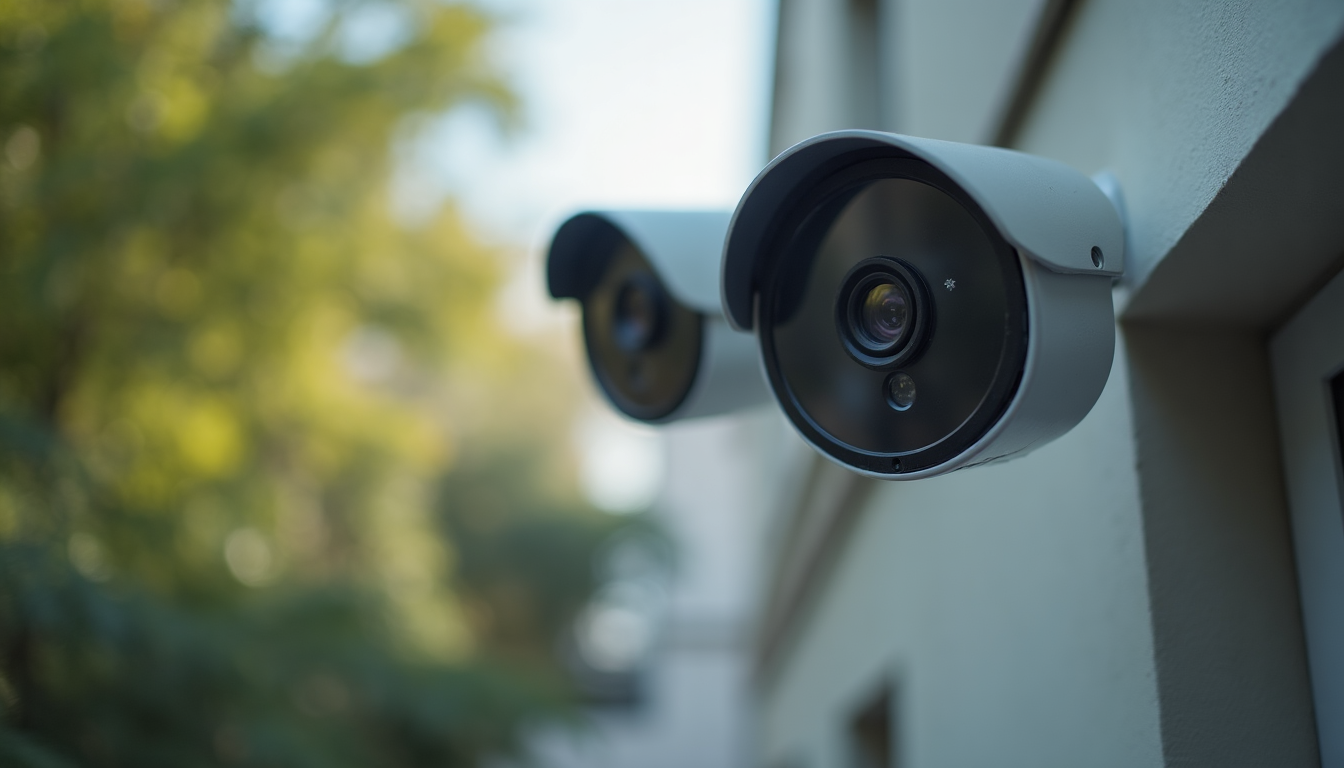
Surveillance Systems: Assess the effectiveness of your cameras and monitoring systems. Are they positioned correctly and providing adequate coverage?
Alarm Systems: Check if your alarm systems are operational and whether they are monitored 24/7.
Employee Training: Ensure that your staff is trained in security protocols and emergency procedures.
Identify Vulnerabilities
After conducting a security audit, identify any vulnerabilities in your current system. Common vulnerabilities include:
Poor Lighting: Dark areas around your property can provide cover for potential intruders.
Unmonitored Access Points: Areas that are not regularly monitored can be easy targets for theft.
Outdated Technology: Old security systems may not provide the level of protection needed in today's environment.
Determining Your Security Needs
Once you have assessed your current security measures and identified vulnerabilities, it's time to determine your specific security needs. Consider the following factors:
Type of Business
The nature of your business plays a significant role in determining your security needs. For example:
Retail Stores: High foot traffic may require more surveillance cameras and theft prevention measures.
Warehouses: Larger spaces may need more extensive monitoring and access control systems.
Offices: Employee safety and data protection are critical, necessitating secure access points and cybersecurity measures.
Location
The location of your business can significantly impact your security requirements. Areas with higher crime rates may necessitate more robust security measures, such as:
Increased Surveillance: More cameras and monitoring systems to cover blind spots.
Security Personnel: On-site security guards may be necessary in high-risk areas.
Budget
Your budget will ultimately dictate the extent of your security measures. It's essential to balance cost with the level of protection needed. Consider:
Prioritizing Needs: Focus on the most critical areas first, such as access control and surveillance.
Investing in Technology: While initial costs may be high, investing in modern security technology can save money in the long run by preventing theft and loss.
Choosing the Right Security Solutions
With a clear understanding of your security needs, you can now explore various security solutions available in the market. Here are some options to consider:
Surveillance Systems
Modern surveillance systems offer advanced features that can enhance your security. Look for:
High-Definition Cameras: Ensure clear images for identification purposes.
Remote Monitoring: Access your surveillance feeds from anywhere using mobile devices.
Motion Detection: Cameras that alert you to movement can help catch intruders in real-time.
Access Control Systems
Access control systems regulate who can enter your premises. Options include:
Key Card Systems: Employees use key cards to access secure areas, reducing the risk of unauthorized entry.
Biometric Systems: Fingerprint or facial recognition systems provide a higher level of security.
Visitor Management: Track and manage visitors to your facility to enhance security.
Alarm Systems
A reliable alarm system is crucial for deterring intruders. Consider:
Monitored Alarms: Systems that alert authorities in case of a breach.
Panic Buttons: Allow employees to signal for help in emergencies.
Cybersecurity Measures
In today's digital age, protecting your data is as important as physical security. Implement:
Firewalls and Antivirus Software: Protect your network from cyber threats.
Employee Training: Educate staff on cybersecurity best practices to prevent breaches.
Implementing Your Security Plan
Once you have selected the appropriate security solutions, it's time to implement your security plan. Follow these steps for a successful rollout:
Develop a Security Policy
Create a comprehensive security policy that outlines:
Roles and Responsibilities: Define who is responsible for various security measures.
Emergency Procedures: Establish protocols for different types of emergencies, such as theft or natural disasters.
Train Employees
Training is crucial for ensuring that your security measures are effective. Provide training on:
Using Security Equipment: Ensure employees know how to operate surveillance systems and alarm panels.
Emergency Response: Conduct drills to prepare staff for potential security incidents.
Regularly Review and Update
Security needs can change over time, so it's essential to regularly review and update your security measures. Schedule:
Annual Security Audits: Reassess your security measures to identify any new vulnerabilities.
Technology Upgrades: Stay informed about advancements in security technology and consider upgrades as needed.
Conclusion
Evaluating your commercial security needs is an ongoing process that requires careful consideration and planning. By understanding the importance of security, assessing your current measures, and selecting the right solutions, you can create a safe environment for your business, employees, and customers. Remember, investing in security is not just about protecting your assets; it's about fostering trust and ensuring peace of mind.
Take the first step today by conducting a security audit and identifying areas for improvement. Your business's safety depends on it.

Comments