Innovative Solutions for Protecting Retail Businesses

The retail landscape is evolving rapidly, and with it comes a host of challenges that threaten the security and sustainability of businesses. From theft and fraud to cybersecurity threats, retail businesses must adopt innovative solutions to protect their assets and ensure customer trust. In this blog post, we will explore various strategies and technologies that can help safeguard retail operations, enhance customer experiences, and ultimately drive growth.

Understanding the Risks in Retail
Before diving into solutions, it’s essential to understand the risks that retail businesses face. These risks can be broadly categorized into:
Physical Security Risks: Theft, shoplifting, and vandalism are common threats that can lead to significant financial losses.
Cybersecurity Threats: With the rise of online shopping, retailers are increasingly vulnerable to data breaches and cyberattacks.
Operational Risks: Inefficient processes and lack of employee training can lead to errors that affect customer satisfaction and safety.
The Impact of Theft and Fraud
According to the National Association for Shoplifting Prevention, retailers lose approximately $13 billion annually due to shoplifting. This staggering figure highlights the need for effective loss prevention strategies. Additionally, fraud can take many forms, including return fraud and credit card fraud, further complicating the retail landscape.
Innovative Solutions for Physical Security
1. Advanced Surveillance Systems
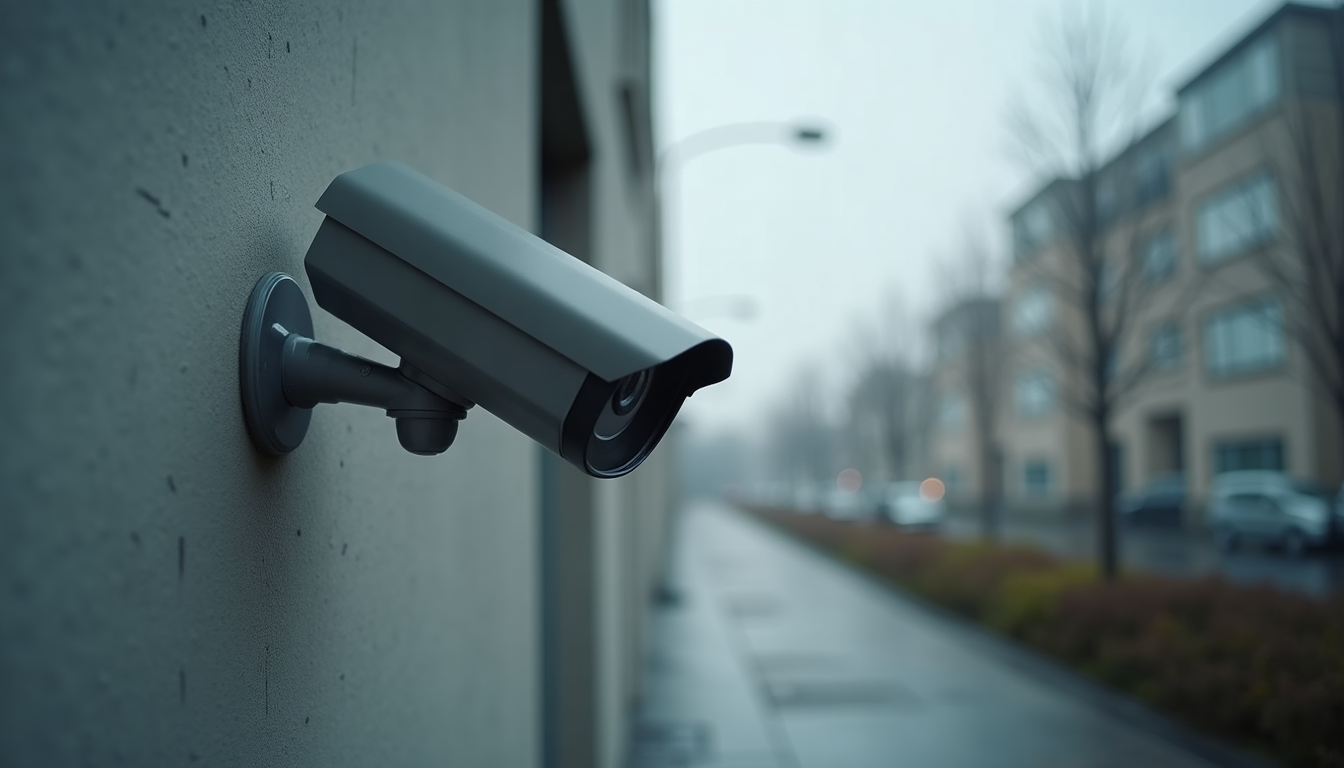
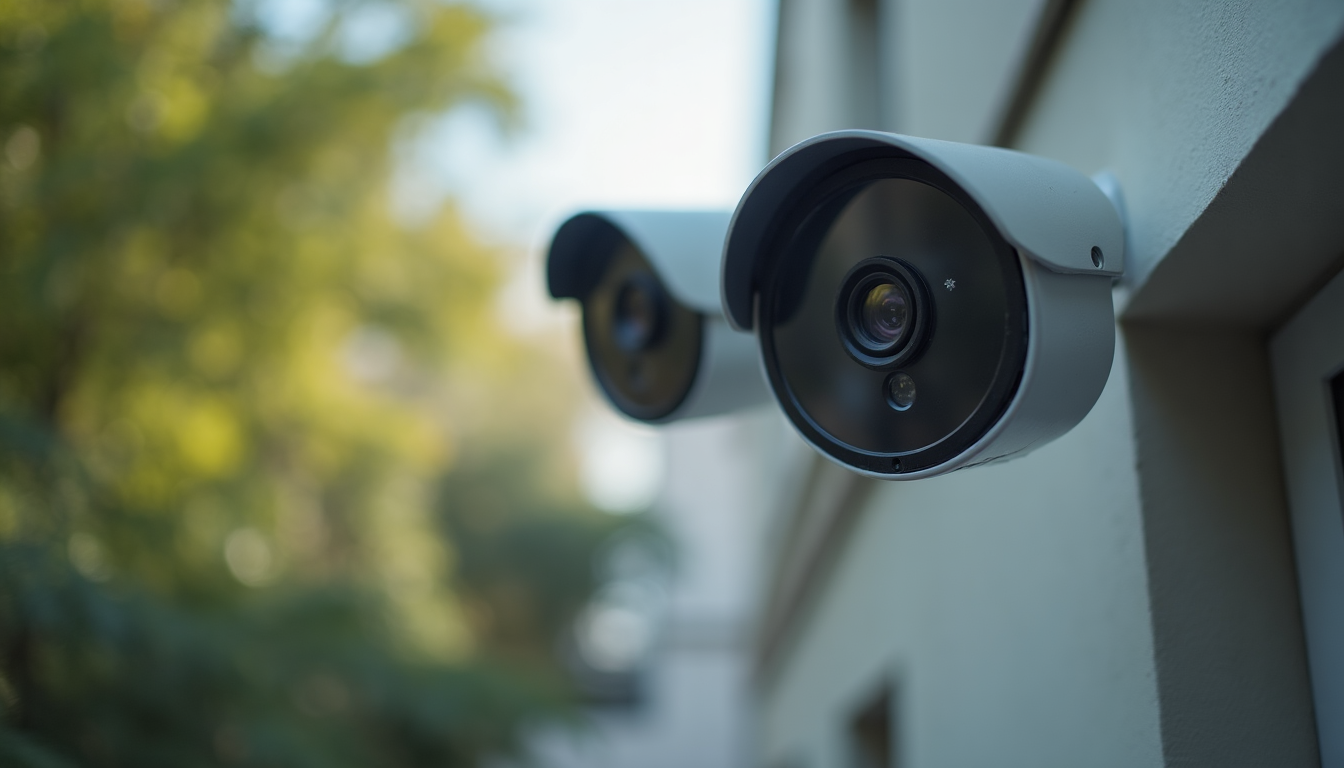
One of the most effective ways to deter theft is through the use of advanced surveillance systems. Modern security cameras equipped with high-definition video and artificial intelligence can help retailers monitor their premises in real-time. Features such as facial recognition and motion detection can alert staff to suspicious activities, allowing for quick intervention.
2. Electronic Article Surveillance (EAS)
EAS systems are widely used in retail environments to prevent shoplifting. These systems involve tagging merchandise with security tags that trigger alarms at exit points if not properly deactivated. Retailers can choose between hard tags, soft tags, or RFID tags, depending on their specific needs.
3. Employee Training Programs
Investing in employee training is crucial for maintaining a secure retail environment. Staff should be trained to recognize suspicious behavior, understand the importance of loss prevention, and know how to respond in case of theft. Regular training sessions can help reinforce these skills and keep security top of mind.
Cybersecurity Measures for Retailers
1. Implementing Strong Password Policies
With the increasing reliance on digital platforms, retailers must prioritize cybersecurity. One of the simplest yet most effective measures is to implement strong password policies. Encourage employees to use complex passwords and change them regularly. Additionally, consider using multi-factor authentication for sensitive accounts.
2. Regular Software Updates
Keeping software up to date is essential for protecting against vulnerabilities. Retailers should establish a routine for updating operating systems, applications, and security software. This practice helps close security gaps that cybercriminals may exploit.
3. Data Encryption
Encrypting sensitive customer data, such as payment information, adds an extra layer of protection. In the event of a data breach, encrypted data is much harder for hackers to access and use. Retailers should work with IT professionals to implement robust encryption protocols.
Enhancing Customer Experience Through Security
1. Seamless Checkout Solutions
Long checkout lines can frustrate customers and lead to abandoned purchases. Implementing seamless checkout solutions, such as mobile payment options and self-checkout kiosks, can enhance the shopping experience while maintaining security. These systems often include built-in security features to prevent fraud.
2. Customer Education on Security
Educating customers about security measures can build trust and enhance their shopping experience. Retailers can provide information on how their data is protected and what steps they take to ensure a safe shopping environment. This transparency can foster loyalty and encourage repeat business.
3. Loyalty Programs with Security Features
Loyalty programs can be enhanced with security features that protect customer data. For example, retailers can use unique identifiers for loyalty accounts, making it harder for fraudsters to exploit them. Additionally, offering rewards for secure shopping behaviors can encourage customers to engage with security measures.
Leveraging Technology for Retail Security
1. Artificial Intelligence and Machine Learning
AI and machine learning technologies are transforming retail security. These tools can analyze customer behavior and identify patterns that may indicate fraudulent activity. Retailers can use this data to enhance their security measures and respond proactively to potential threats.
2. Internet of Things (IoT) Devices
IoT devices, such as smart cameras and connected alarms, can provide real-time monitoring and alerts. Retailers can integrate these devices into their existing security systems for a comprehensive approach. For example, smart cameras can send notifications to staff if they detect unusual activity, allowing for immediate action.
3. Cloud-Based Security Solutions
Cloud-based security solutions offer flexibility and scalability for retailers. These systems allow businesses to store and access security data remotely, making it easier to manage multiple locations. Additionally, cloud solutions often come with advanced analytics features that can help retailers identify trends and improve their security strategies.
Case Studies: Successful Implementation of Security Solutions
Case Study 1: A Major Retail Chain
A major retail chain implemented an advanced surveillance system across its stores, resulting in a 30% reduction in theft within the first year. The integration of AI technology allowed for real-time monitoring and quick response to suspicious activities. Employee training programs further enhanced the effectiveness of these measures.
Case Study 2: An E-commerce Platform
An e-commerce platform faced significant challenges with data breaches. By implementing strong password policies, regular software updates, and data encryption, the company reduced its vulnerability to cyberattacks. Customer trust improved as a result, leading to increased sales and customer loyalty.
Conclusion
Protecting retail businesses requires a multifaceted approach that combines physical security, cybersecurity, and customer engagement. By adopting innovative solutions such as advanced surveillance systems, employee training, and leveraging technology, retailers can create a secure environment that fosters customer trust and drives growth. As the retail landscape continues to evolve, staying ahead of security challenges will be crucial for long-term success.
In a world where security threats are ever-present, taking proactive steps to protect your retail business is not just an option; it’s a necessity. Embrace these innovative solutions and ensure your business is well-equipped to face the challenges ahead.
Comments